
Camera Distribution and Seminar
The big focus of this trip was to bring donated cameras for use in partnership projects. The projects now span more than thirty communities and the distance between them continues to grow. There is no way for pastor Conrad to be able to personally document progress and significant milestones in each. Because the projects are in rural communities, there are very few phones available to them that take quality photos. After discussing the importance of feedback to donors and others involved, we decided on the idea of providing simple cameras that could be loaned to current project sites.
Thanks to donors, I was able to take seventeen cameras and equipment in my luggage. I anticipated and was not surprised that when I reached Kilimanjaro, customs officers detained me. I had letters from both our nonprofit and Pastor Conrad’s NGO, explaining who the cameras were for and the purpose . It took about an hour and a half, and unpacking two of the checked bags, two officers and two phone calls to pastor Conrad. In the end the officers tore up the tax they planned to charge and thanked me profoundly for the difference we have made in their country.
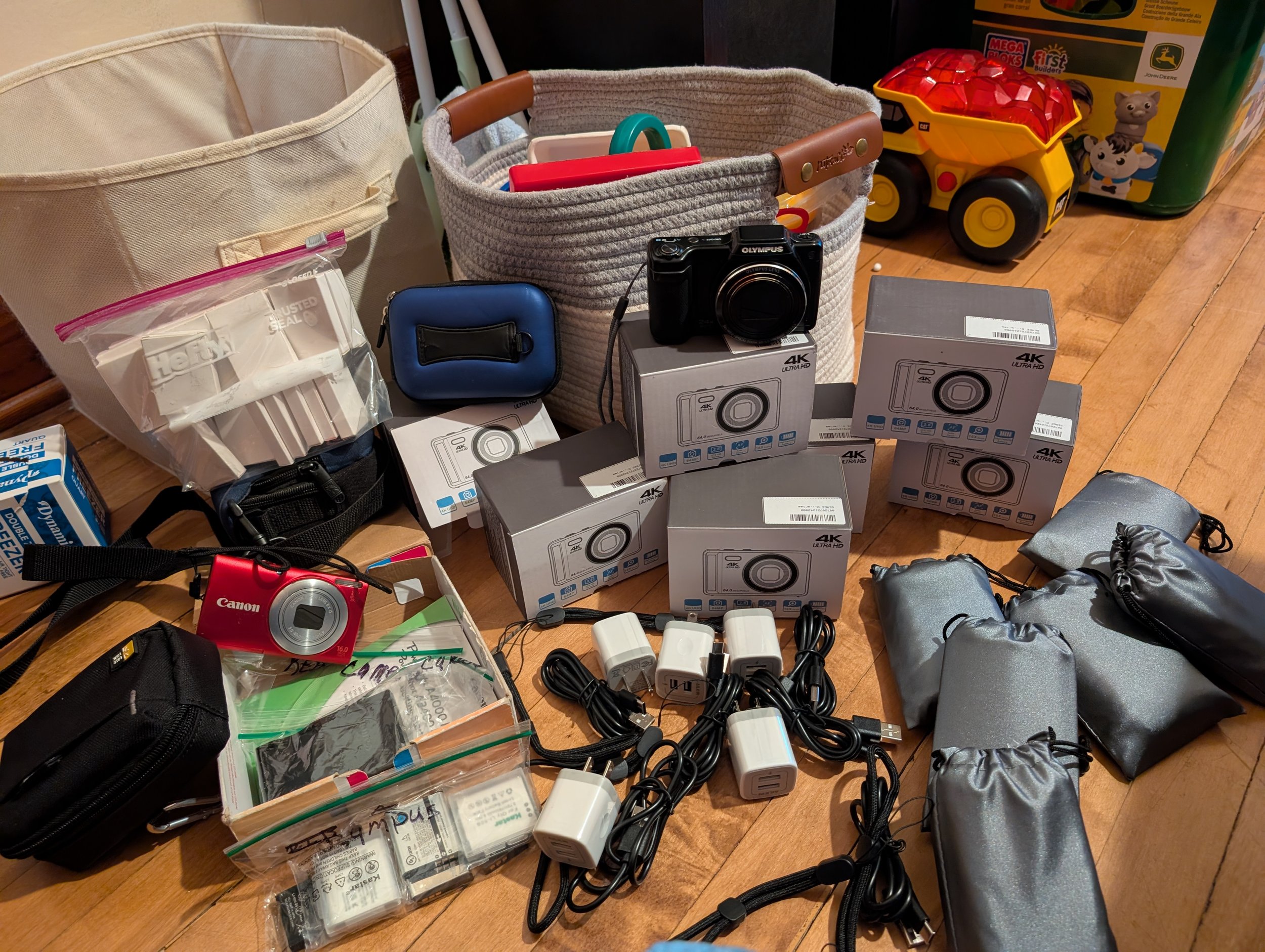
17 donated cameras that were distributed to rural churches
Conrad, Isaac, and I met and planned a seminar that would include the distribution of the cameras. The seminar would include an opportunity to introduce the newly registered NGO. Isaac agreed to provide technical training on using the cameras. Pastor Conrad would address their purpose. To document progress on projects with photos that can be part of the reports that must be submitted to donors, the government, and others. The cameras are to remain the property of the new NGO. As it turned out I was on my way home on that date we had scheduled but the seminar took place just two weeks later.
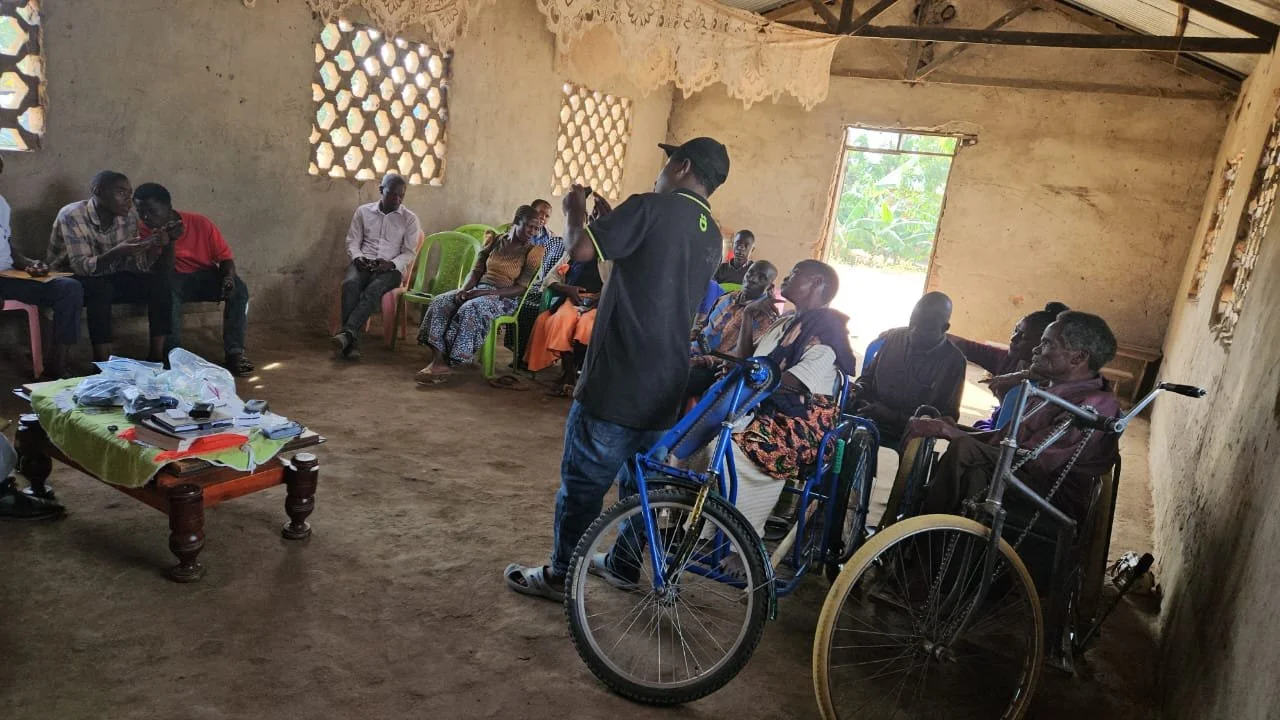
Participants included: the disability team, well drilling team, teachers, and students from two schools that have received water wells; Farming Gods Way report and representatives from groups yet to be served. Which included the elderly, and volunteers from church woman’s ministry, community members, and pastors.
Pastor Conrad shared that the vision of the NGO is to provide education and encouragement to the people of the three groups and to society in general about the challenges facing these groups that are the focus of ON THE WAY REACHING PEOPLE. These groups are People with disabilities/people in special groups; children living in vulnerable situations and elderly living in vulnerable situations.
The impact already achieved was reviewed, such as water well drilling, Farming Gods Way seminar, food preservation seminar, disability seminar, and others. The group agreed to participate in supporting the organization’s goals.
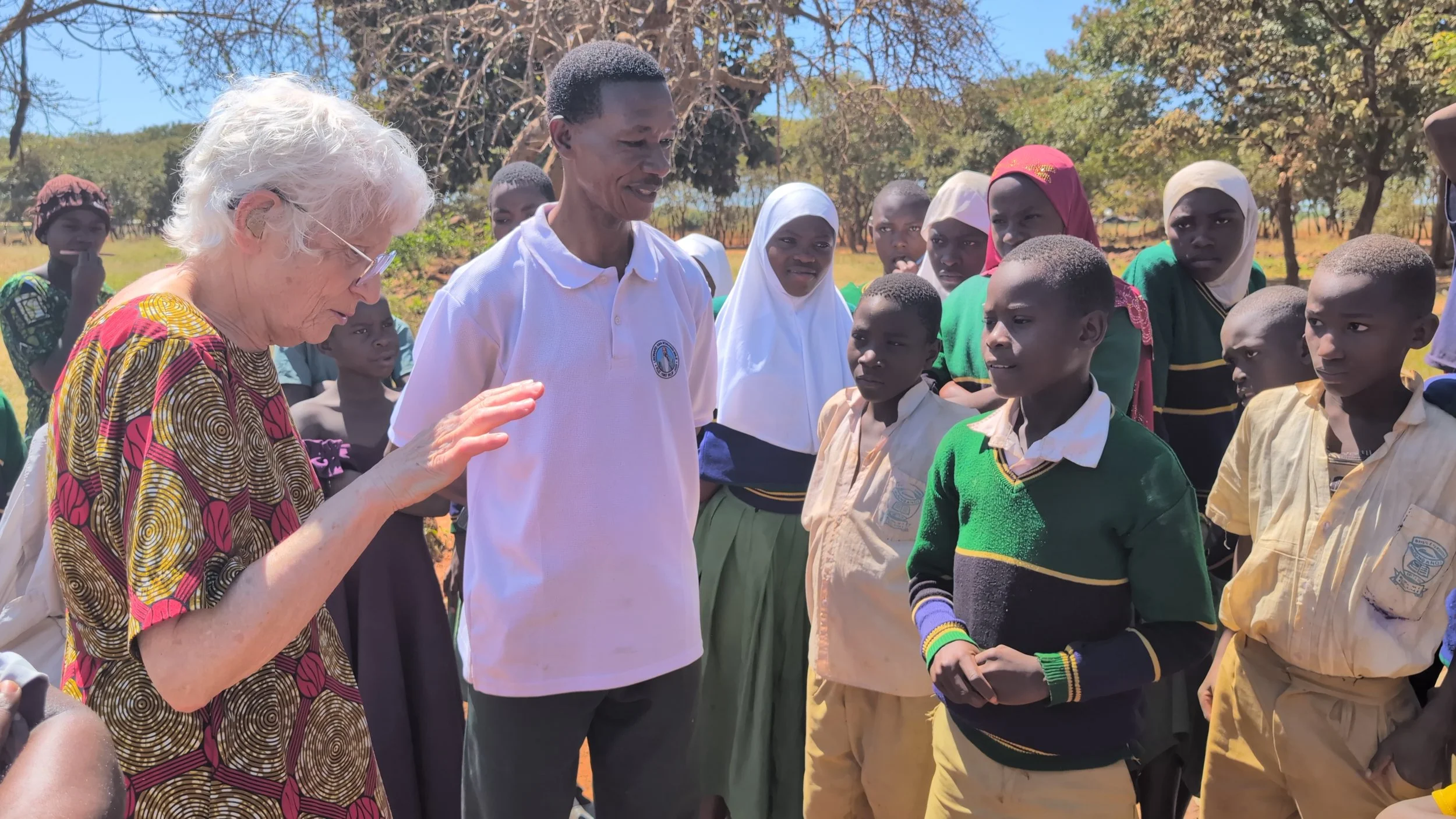
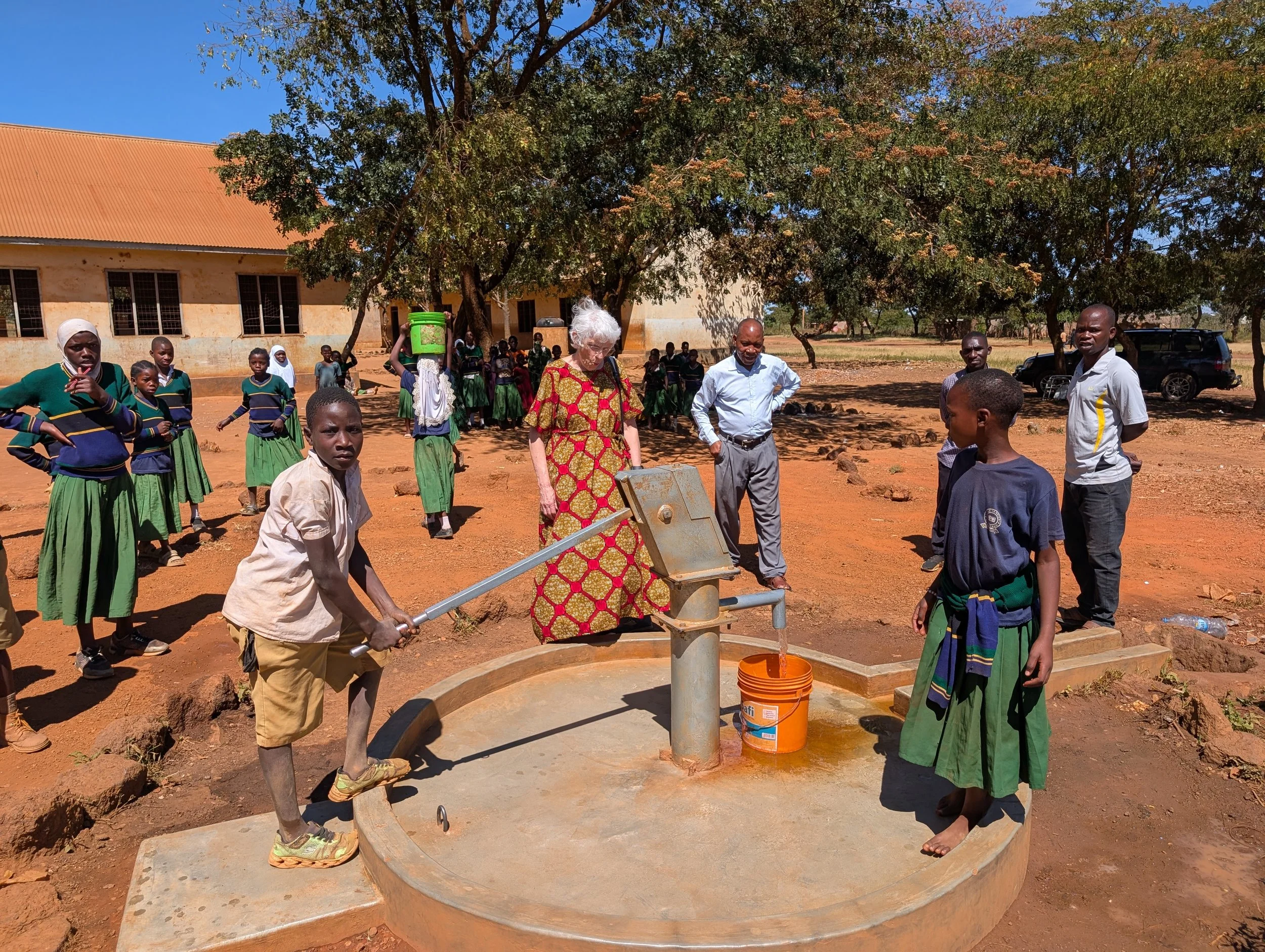
Due to shortened visit: and wanting to avoid events that would be the cause of large gatherings, the only other project I visited was the site of the second school well, the Muungano primary school in the Geita district. Currently the school has 1500 hundred students, and they all expressed how having clean, safe water has changed the school day. Both students and staff spoke of clean water to drink, and to cook with, and for keeping the bathrooms and the classrooms clean.
I spoke of the fact that the team that drilled this well has the knowledge and tools to maintain and repair it. But it is up to the community to do their part in maintaining and to collect funds to pay for repairs.
As always, I leave encouraged by the work that is done by the Tanzanian communities and grateful for the partnerships that have allowed us to share in the joy of their successes.
