
Camera Distribution and Seminar
The big focus of this trip was to bring donated cameras for use in partnership projects. The projects now span more than thirty communities and the distance between them continues to grow. There is no way for pastor Conrad to be able to personally document progress and significant milestones in each. Because the projects are in rural communities, there are very few phones available to them that take quality photos. After discussing the importance of feedback to donors and others involved, we decided on the idea of providing simple cameras that could be loaned to current project sites.
Thanks to donors, I was able to take seventeen cameras and equipment in my luggage. I anticipated and was not surprised that when I reached Kilimanjaro, customs officers detained me. I had letters from both our nonprofit and Pastor Conrad’s NGO, explaining who the cameras were for and the purpose . It took about an hour and a half, and unpacking two of the checked bags, two officers and two phone calls to pastor Conrad. In the end the officers tore up the tax they planned to charge and thanked me profoundly for the difference we have made in their country.
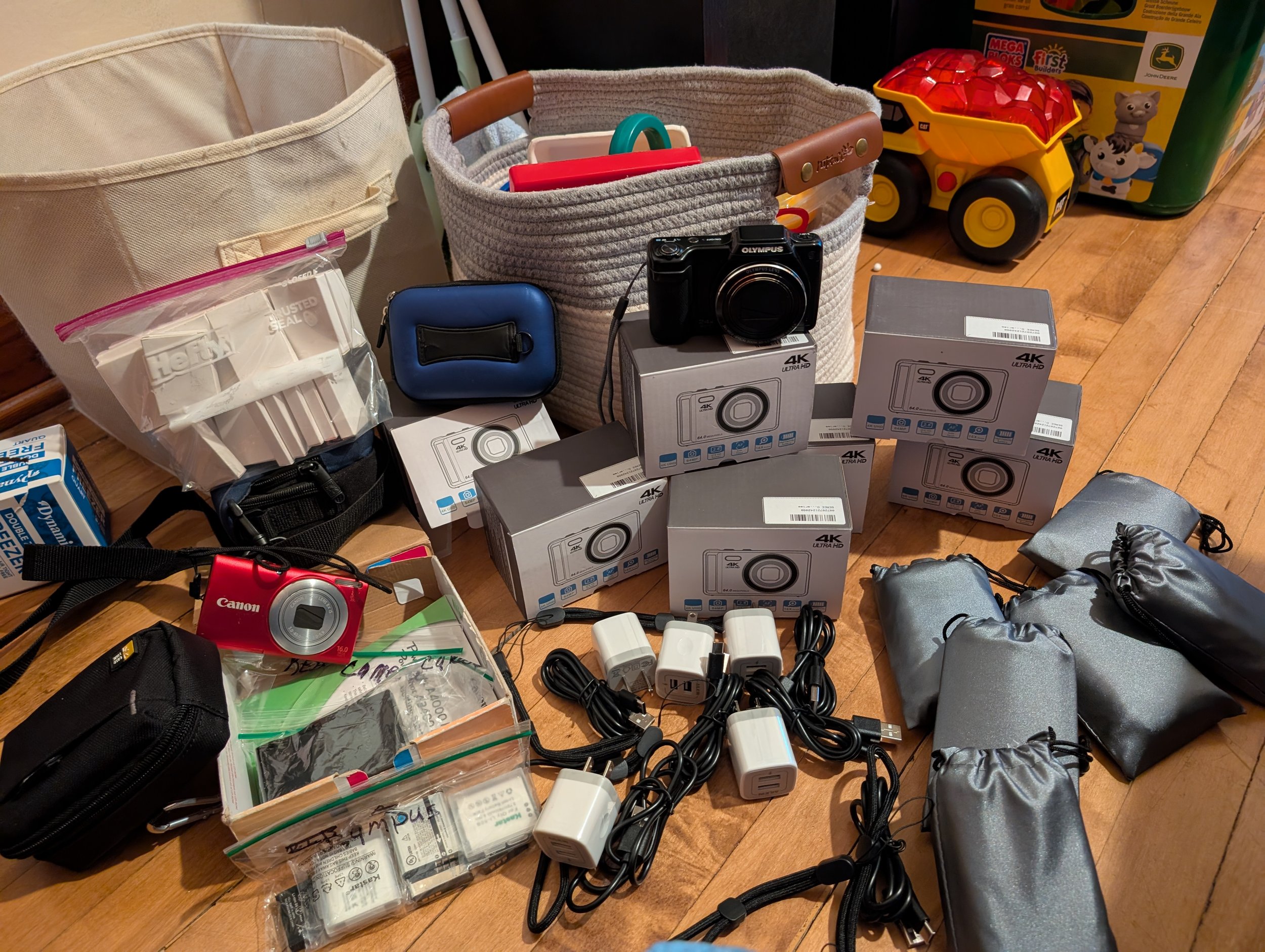
17 donated cameras that were distributed to rural churches
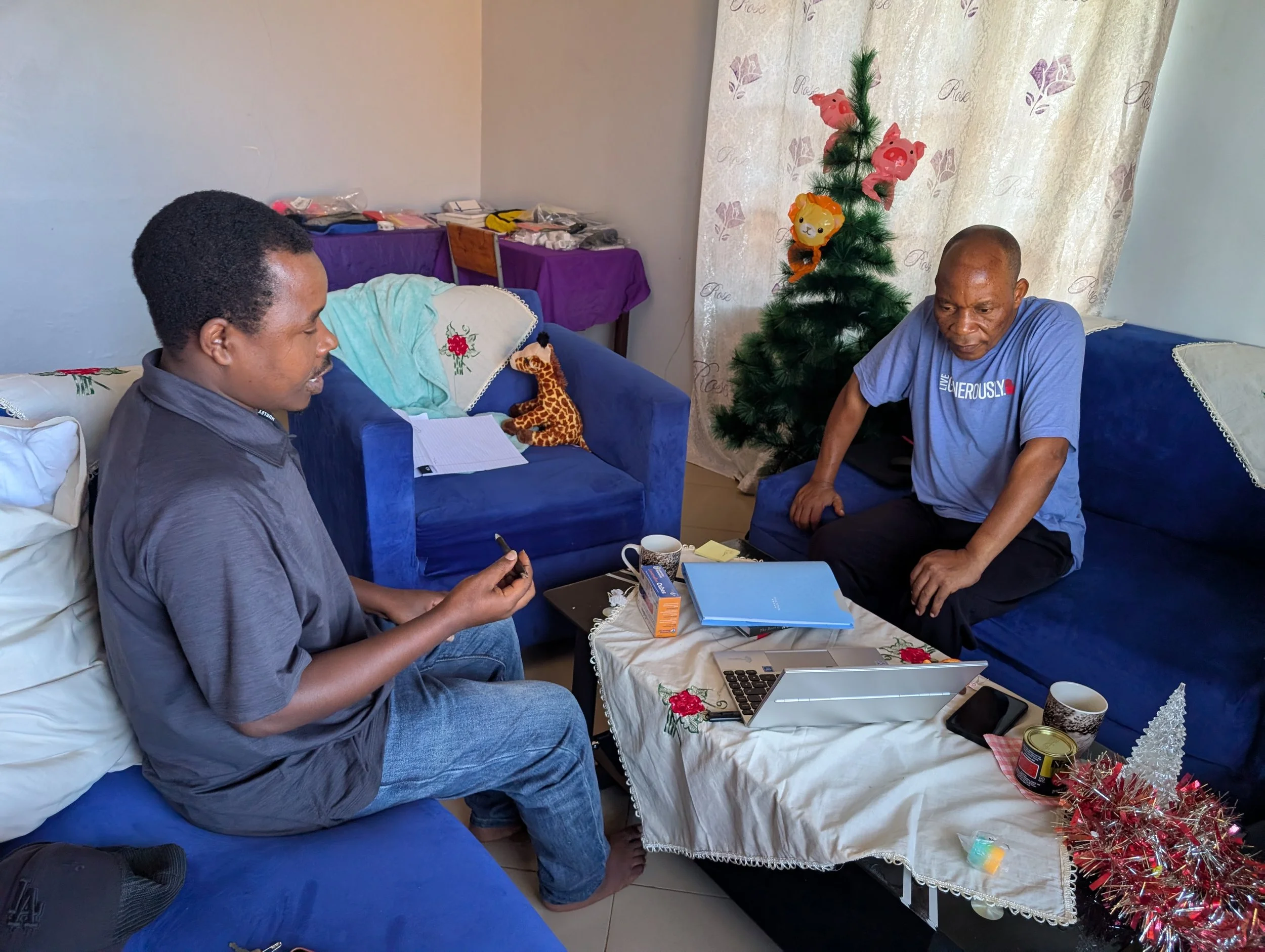
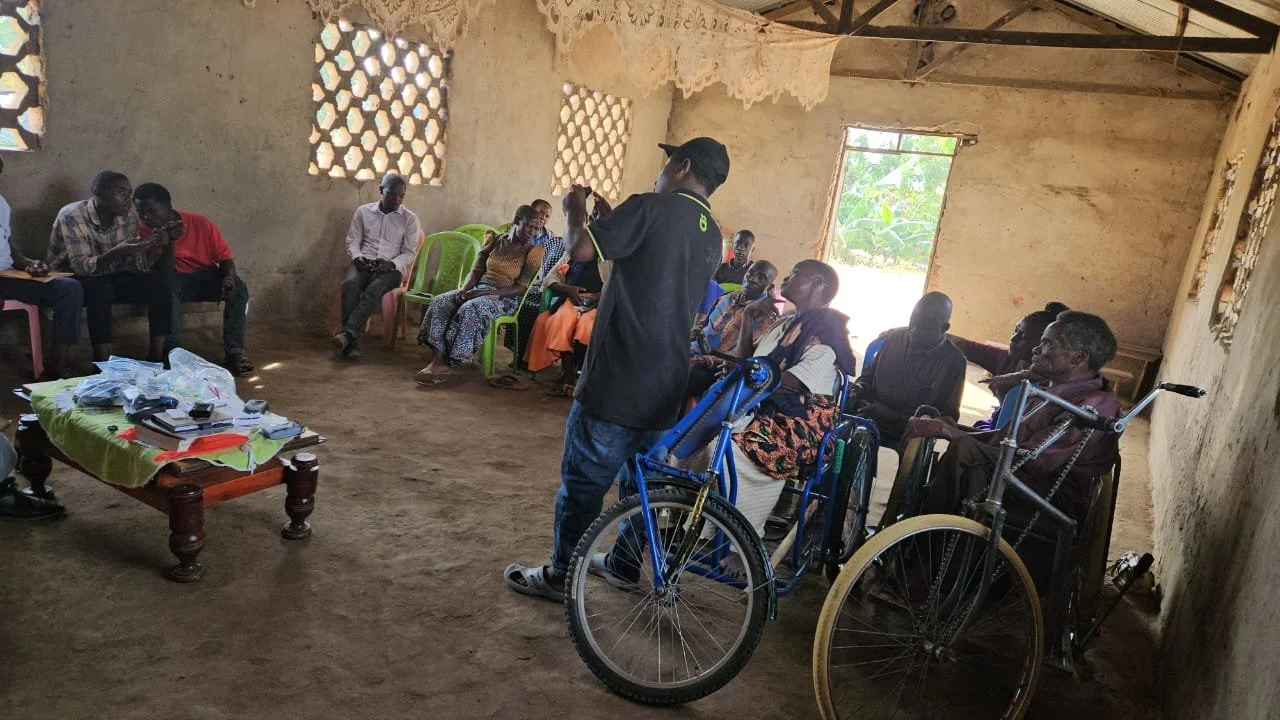
Conrad, Isaac, and I met and planned a seminar that would include the distribution of the cameras. The seminar would include an opportunity to introduce the newly registered NGO. Isaac agreed to provide technical training on using the cameras. Pastor Conrad would address their purpose. To document progress on projects with photos that can be part of the reports that must be submitted to donors, the government, and others. The cameras are to remain the property of the new NGO. As it turned out I was on my way home on that date we had scheduled but the seminar took place just two weeks later.
Participants included: the disability team, well drilling team, teachers, and students from two schools that have received water wells; Farming Gods Way report and representatives from groups yet to be served. Which included the elderly, and volunteers from church woman’s ministry, community members, and pastors.
Pastor Conrad shared that the vision of the NGO is to provide education and encouragement to the people of the three groups and to society in general about the challenges facing these groups that are the focus of ON THE WAY REACHING PEOPLE. These groups are People with disabilities/people in special groups; children living in vulnerable situations and elderly living in vulnerable situations.
The impact already achieved was reviewed, such as water well drilling, Farming Gods Way seminar, food preservation seminar, disability seminar, and others. The group agreed to participate in supporting the organization’s goals.
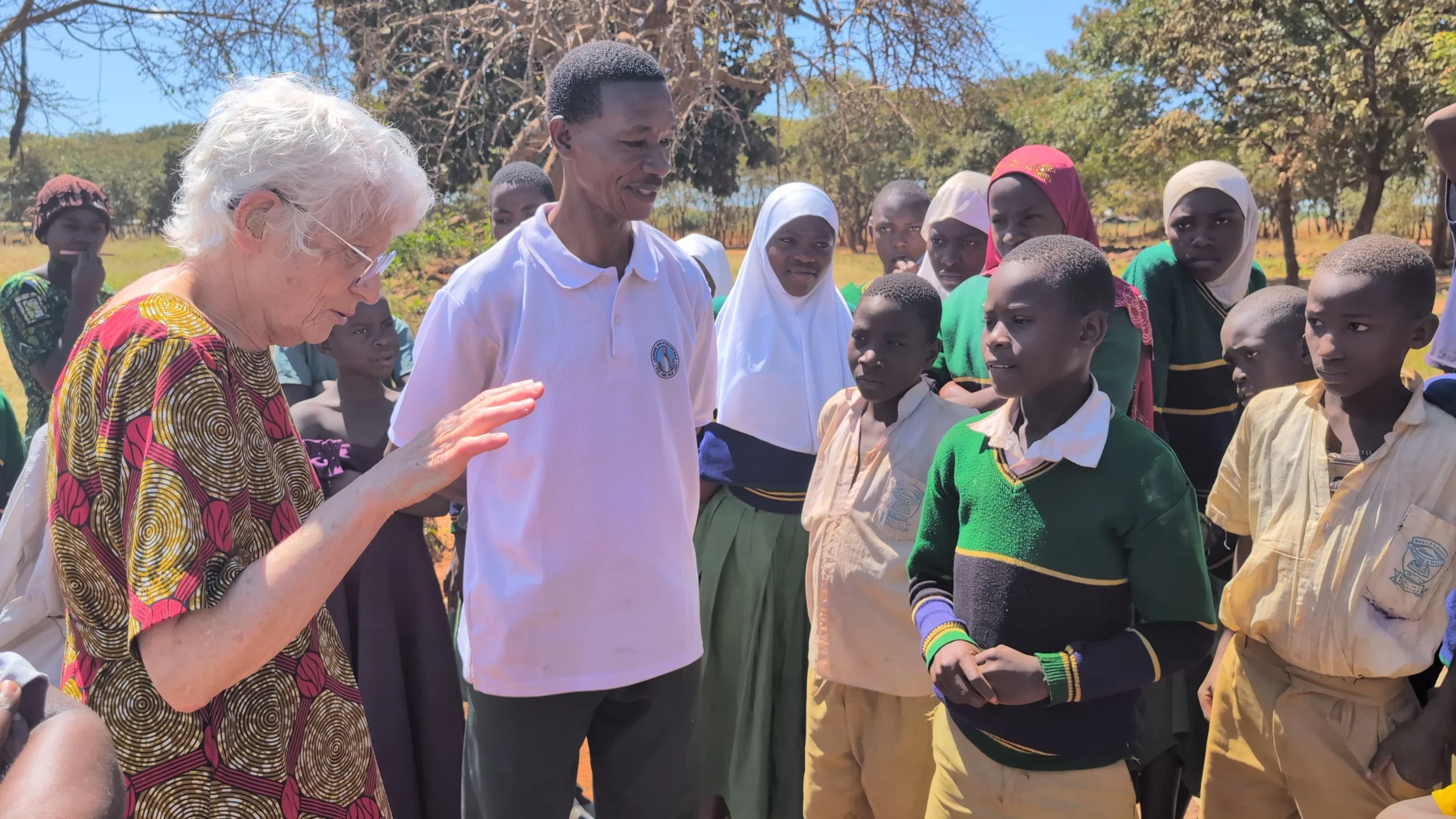
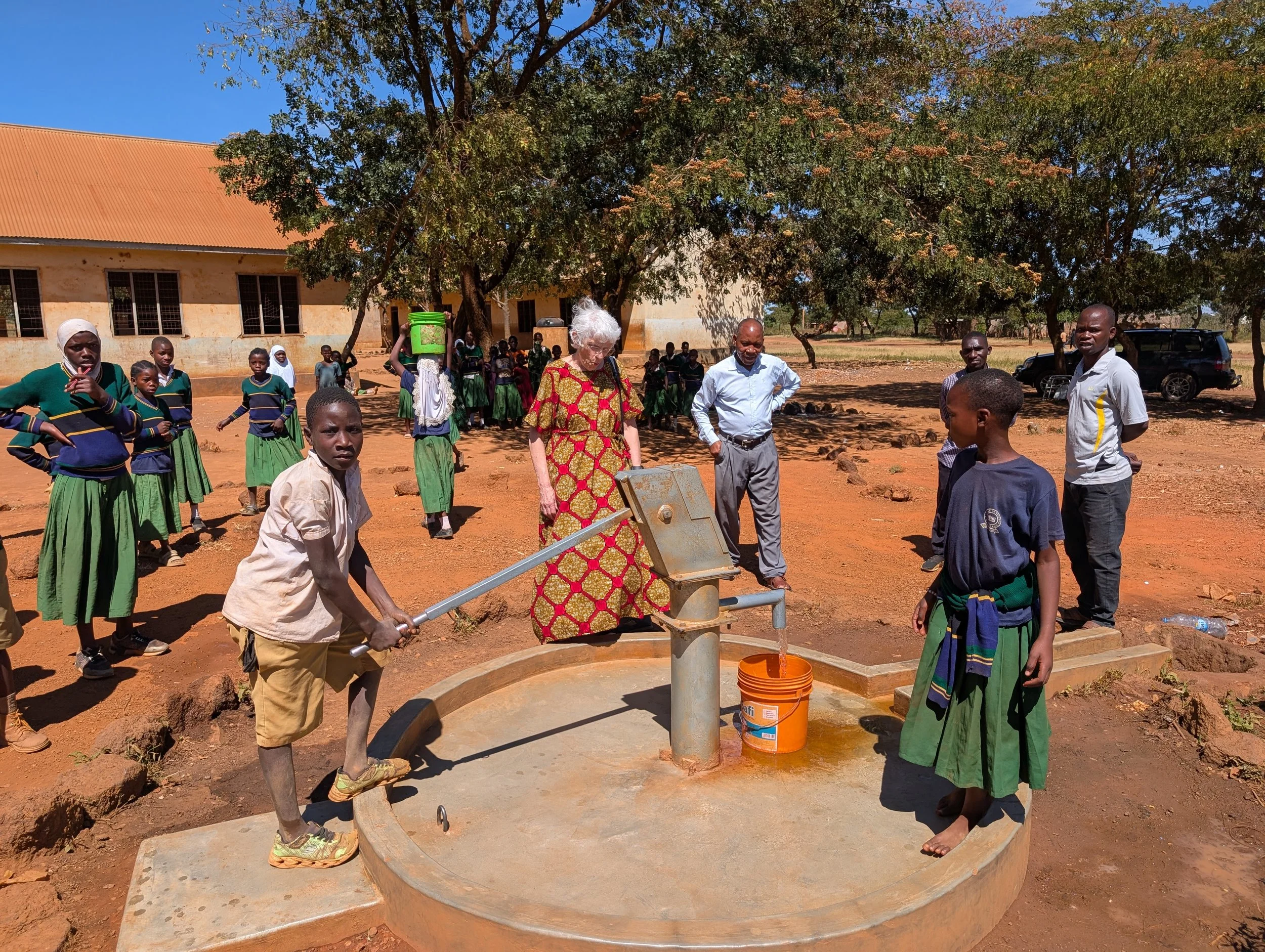
Due to shortened visit: and wanting to avoid events that would be the cause of large gatherings, the only other project I visited was the site of the second school well, the Muungano primary school in the Geita district. Currently the school has 1500 hundred students, and they all expressed how having clean, safe water has changed the school day. Both students and staff spoke of clean water to drink, and to cook with, and for keeping the bathrooms and the classrooms clean.
I spoke of the fact that the team that drilled this well has the knowledge and tools to maintain and repair it. But it is up to the community to do their part in maintaining and to collect funds to pay for repairs.
As always, I leave encouraged by the work that is done by the Tanzanian communities and grateful for the partnerships that have allowed us to share in the joy of their successes.
A Wedding and an Outbreak
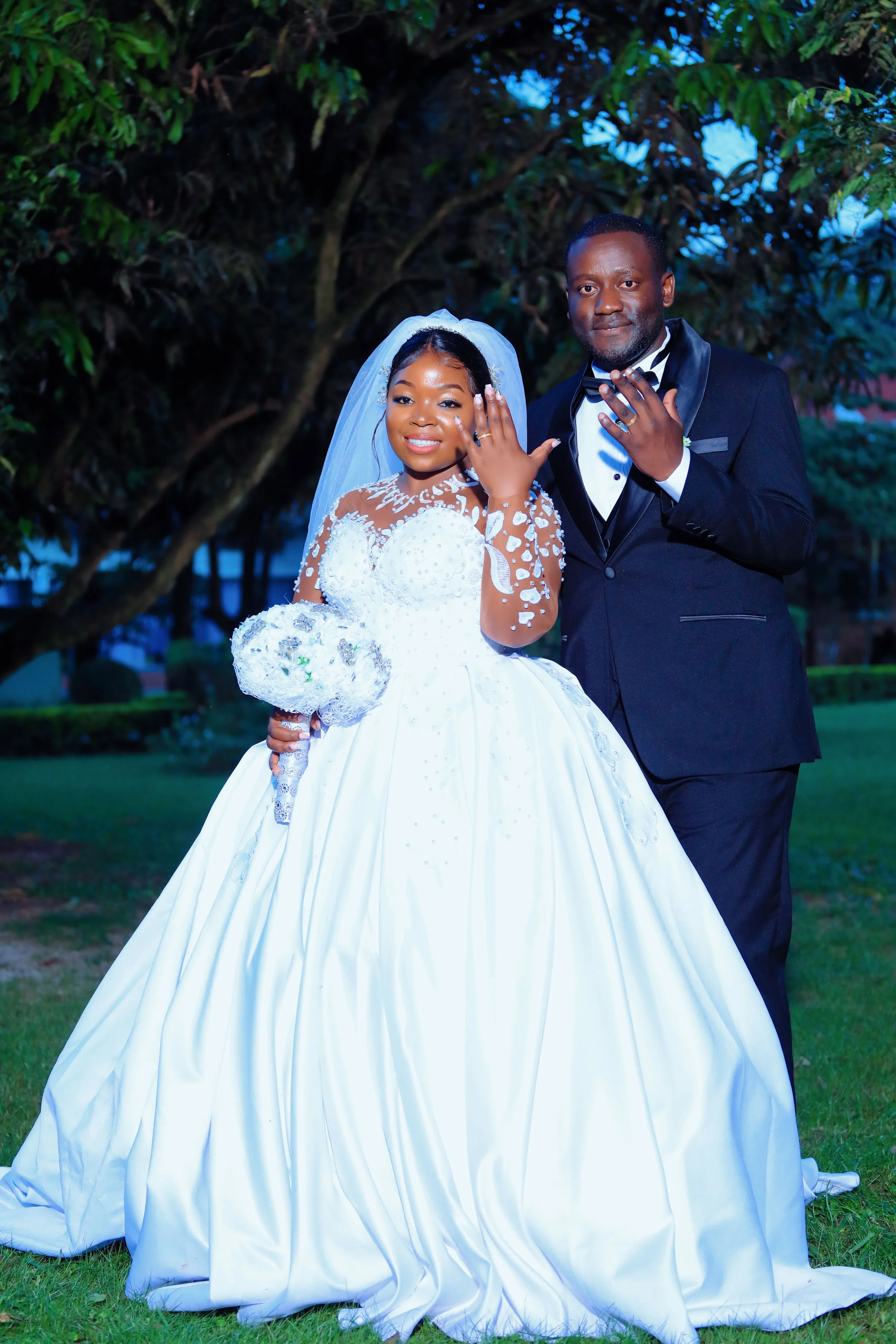
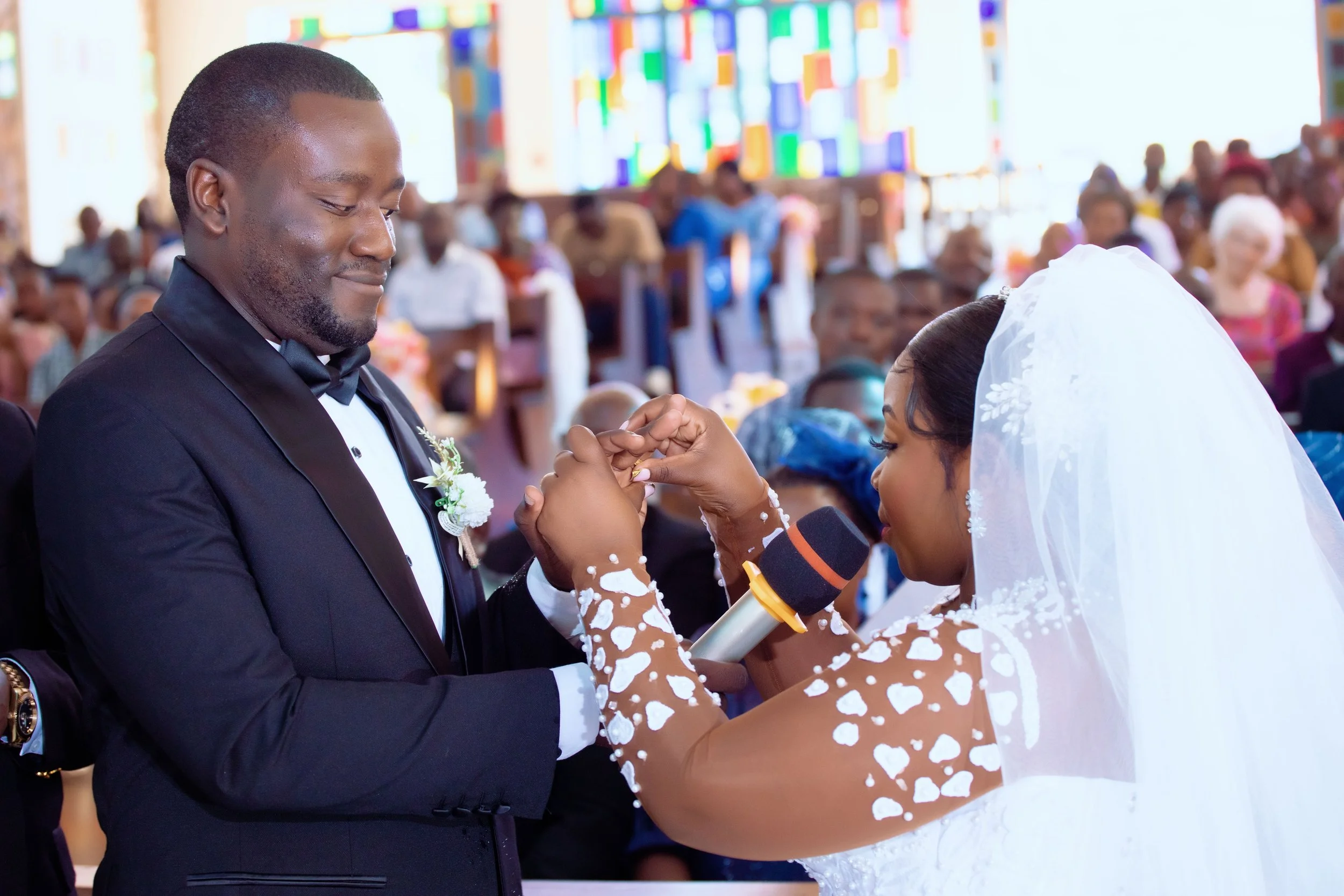
Wedding for Neema in Geita, TZ
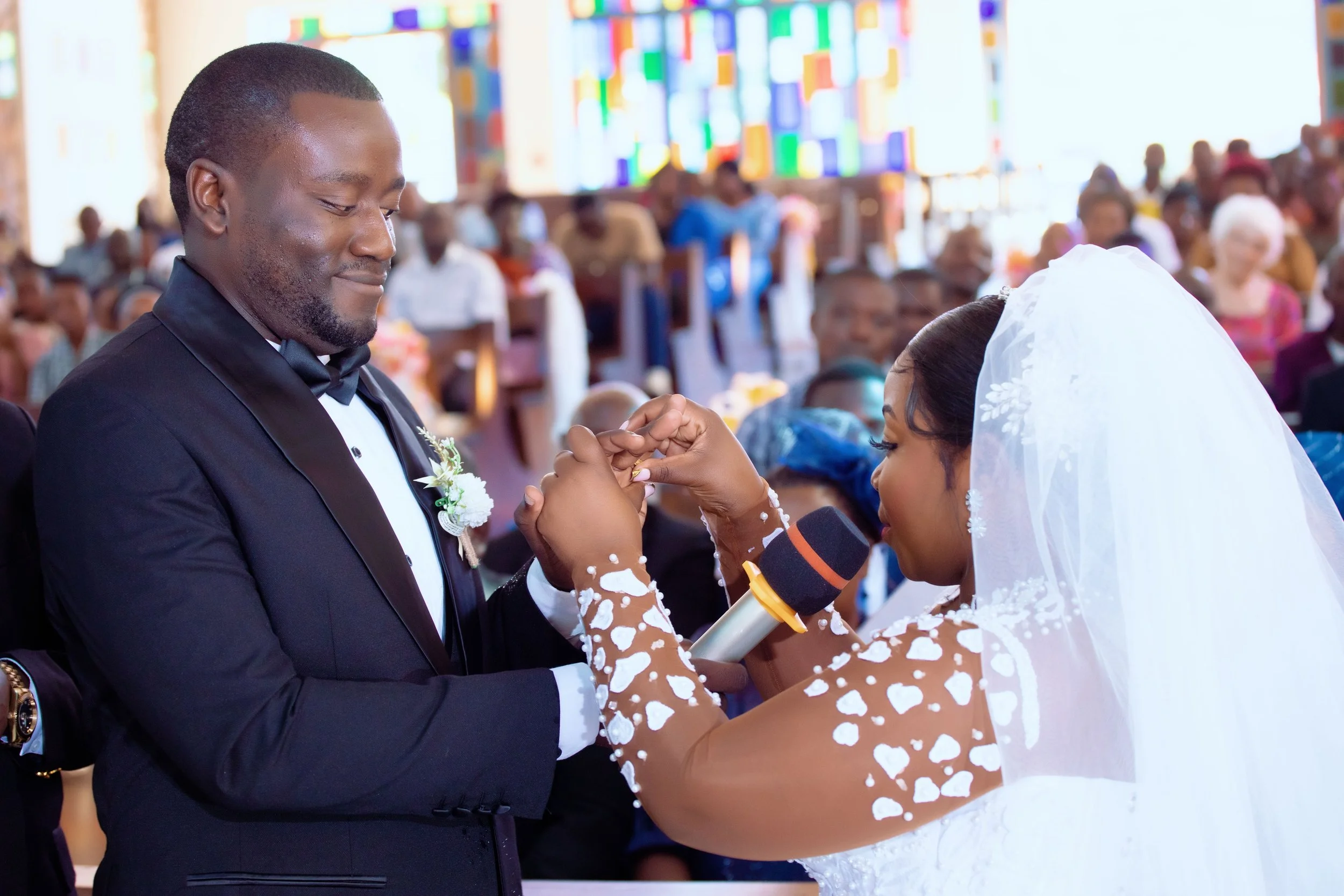
According to Pastor Conrad, this was my seventeenth trip to Geita, TZ, having traveled every year, except during COVID-19. His youngest daughter was four when I first met them, and she is now a third-year university student. When his oldest daughter, Neema, who was ten or eleven when I met her, was planning her wedding, it was important for her “American grandmother” to be there. I arrived just one day before her “send-off. the events of the first week were full of celebration.
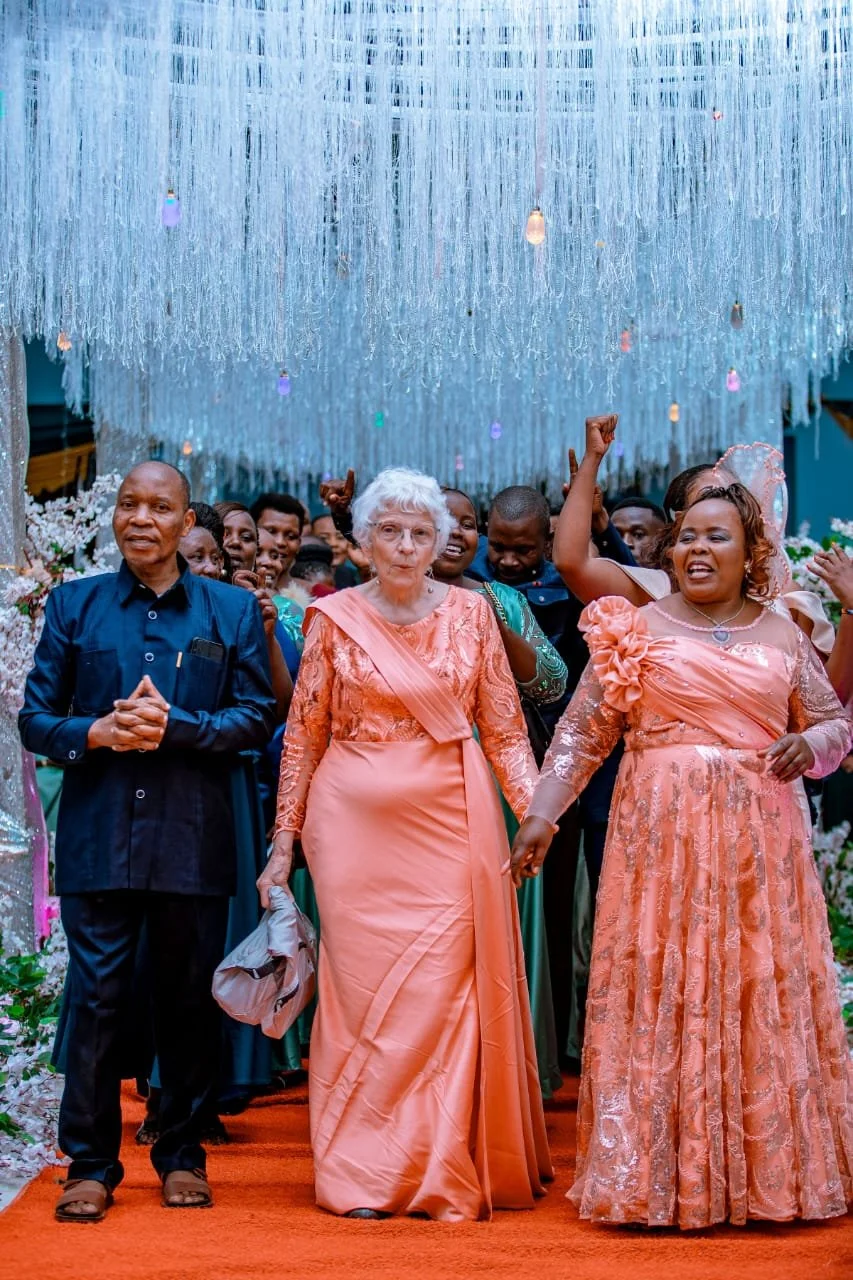
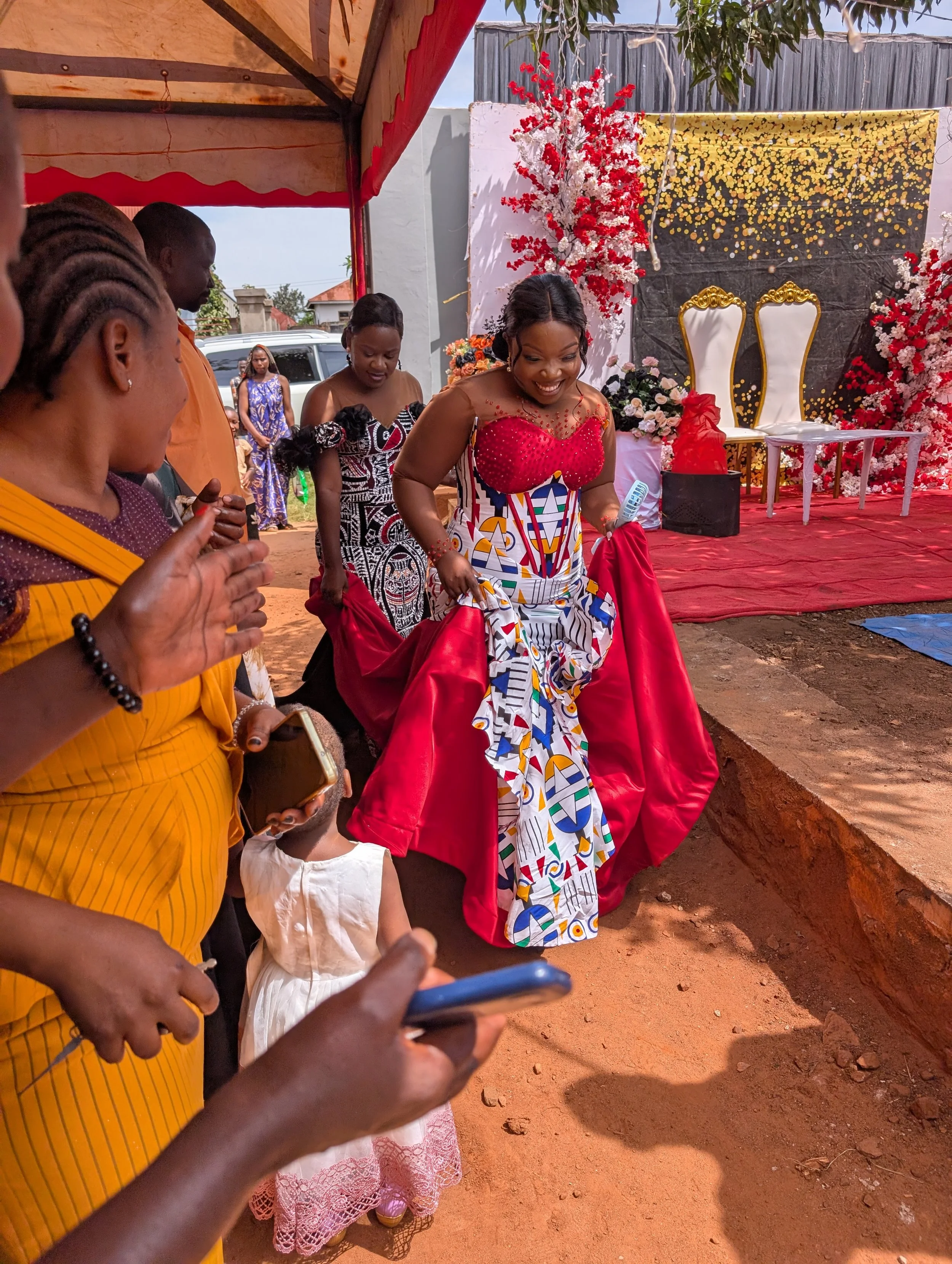
The send-off weekend is a major pre-wedding ceremony where the bride’s family and community officially hand her over to begin her new life as a married woman. Pastor Conrad had tried to explain this event ahead of my visit and my expected participation. I truly had no understanding at all the experience I was about to share. The first part of the send-off was at a totally transformed compound at Pastor Conrad’s home, and the second part at a large reception venue in Geita. Both events were planned and implemented by a wedding committee, which in the Geita region is a cornerstone of the marriage celebration. These committees do the planning and meet regularly for months to map out budgets, secure venues and vendors, and manage the details of such things as decorations.
Hundreds of community members, along with family, participated at both venues. The women had clothing specially made to match the colors of the bride’s family and the men as well. There was such a spirit of communal celebration, it is impossible for me to describe. Everyone had a role to play, including myself. When told that l would lead the way with Pastor Conrad and Margreth into the crowded ball room and that I should “dance a little,” my face reflected my feelings.
The following weekend we traveled for about hours to the home of the groom’s family, where the wedding and reception were taking place. The wedding was in a beautiful cathedral, and the reception was in a lovely outdoor venue.
Also, the day after I arrived, the Ebola outbreak in the Democratic Republic of the Congo (DRC) was officially declared by the ministry of health on May 15, 2026. Pastor Conrad and I immediately began revising our planned events to avoid large gatherings and still proceed with seminars and meetings with government leaders. With the outbreak growing quickly and considering the advice of more seasoned African travelers, we reluctantly decided that I should leave as soon as flights could be arranged. When we told the local church on my last Sunday, that I was leaving two weeks early due to Ebola, it was evident that many of the people present did not know about the ongoing outbreak. Pastor Conrad immediately texted other church leaders to make them aware. He continues to share information with them regarding the virus and ways to lessen the risk of transmission.
Ebola update: As of July 6, the DRC has reported a total of 1, 561 confirmed cases including 506 confirmed deaths. Also, twenty cases including two deaths have been reported by the ministry of health in Uganda. To date (July 7, 2026) Tanzania has not recorded any Ebola cases, but due to its proximity to the border crossing from Uganda, the Geita region is at high risk.

Questions Answered...
It all begins with an idea.

New well. Some staff and students
What a privilege it was to travel to the same primary school we visited one year ago. Last year, the needs all related to no water for over 800 students and staff. Yesterday, the headmaster said, "I hesitate to ask any questions as so many have been answered by getting this well." He described plenty of clean safe water, enough for 1200 students using about 10 buckets of 20 litres each day. He also said the community is helping to maintain the well, and they have hired a guard to keep the well safe." Our well drilling team was able to drill 150 feet, he said. They have performed one maintenance and repair so far.
Staff and students shared that the entire school day is changed. They described how students would sometimes leave their classes without permission and run someplace quite far to get water... but now they just go and get a drink. They also said, "We can clean our toilets and our classrooms and wash our hands."
With a heart brimming over with gratitude, I say congratulations to our team who completed a very deep well using small rig... as well as to the donors who made it possible, and to the school and community who keep it safe and carefully maintained. Once again, we see that when we work together, big challenges can be met and difficult questions can be answered... on we go.

Congratulations... as the headmaster and I agree on amazing changes happening due to the new well.

Mask and Reusable Pads
It all begins with an idea.

In headmasters office with district education officer and headmaster.
When I visited last fall, both the medical director at the hospital and the secondary school headmaster request this training. We were delighted to see excellent results. Mary worked hard to prepare. About twenty secondary school girls and two hospital representatives, plus two teachers spent the day with us. The students, were attentive and worked tirelessly to complete assignments. At the end of the day, each had two kinds of reusable masks as well as two samples of pads to take home.
As they worked to complete the projects, much discussion occurred, such as how masks can be used for protection from illness, but also to help with dusty roads, or other environmental issues. Other discussion was the importance of keeping pads and masks clean to prevent the spread of illness. It was a privilege to watch as the students paid careful attention and followed Mary's directions for this new project. Also, it was a joy seeing them assist each other, and watching their delight as they finished the projects, and how excited they were for lunch. At the end of the day, there was just enough time for small craft of making bracelets. Each student agreed to making an additional bracelet to share, as well as teaching others how to make them.
This project was only made possible by much collaboration with previous and present ward administration, hospital administration and staff, along with Family Education Unlimited volunteers. A special thank you to Mary who prepared and taught the lessons, as well as two teachers who assisted. Thank you to all to the students, who made the day such a success.

Mask demonstration

Disability Seminar Number Two
It all begins with an idea.
Our second seminar with disability team is at Buziko church community. About 80 people are waiting for us when we arrive, including community members and families affected by disability.
All four members of the disability team share their stories, their challenges and perseverance. One is a mom, with 7 children who says “An illness as a child left me with missing parts of my limbs, but I have a good brain and my eyes work and I hear well. So I planned what to do and how to care for my children when my husband left, and now I have a hair salon.” The other three share their stories and they each reflect a very positive, hopeful attitude. The main focusing is on strengths and gifts, and encouraging parents to help their children grow up to be friends with those people with disabilities.
The afternoon is learning about Persons With Disabilities Act, 2010. At the end of the day, the message is on the power of community and on finding your gifts.

Arrival to Geita and Disability Seminar One
Izumacheri Ward (Island). We arrive at the beach to board an ambulance boat for transport. There is no dock so everyone must be carried to the boat. Two motorcycles are all we have for transport on the island, driving up steep hills on rough roads. It is a short trip across Lake Victoria. When we got there, we learned of a change of venue for the disability seminar.
The first Disability Awareness Seminar of this trip began with the disability team. We arrive to more than 70 people, including families affected by disability, government leaders, and church leaders.
Our message: that persons with disability are the same as others... same rights, same hopes, same dreams and strengths. The obstacles are the only differences, and communities can work together to address those issues.

Riding a motorcycle was the only means of transport on Izumacheri Ward.